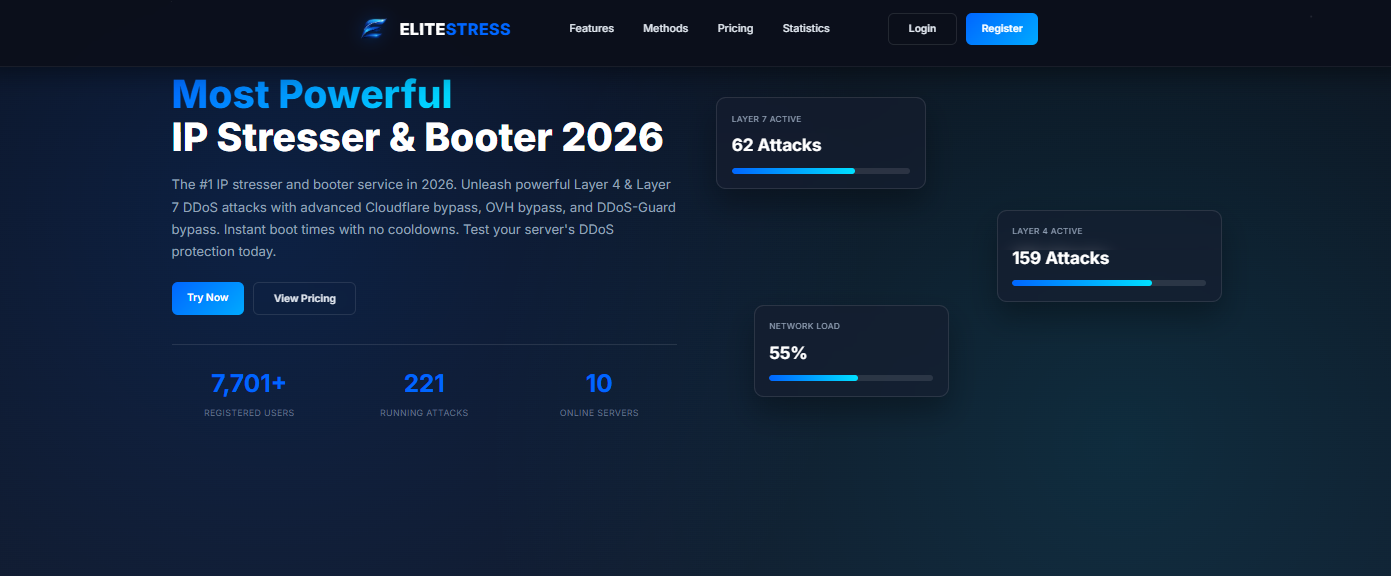
In today’s increasingly digital world, the reliability and security of networks, servers, and online platforms are critical. To maintain strong network infrastructure, cybersecurity professionals often rely on specialized tools to test system resilience. One such tool is ReaperStress, a software solution designed to simulate high levels of network traffic and assess how servers respond under extreme conditions. Understanding how ReaperStress works and its proper applications is essential for IT professionals and cybersecurity enthusiasts.
What is ReaperStress?
ReaperStress is a network stress testing tool used to evaluate the performance and stability of computer systems. The software can simulate a high volume of traffic directed toward a server or network, allowing IT teams to determine how well a system can handle peak loads. While it is a powerful testing tool, it is also sometimes associated with DDoS (Distributed Denial of Service) attack simulations due to its ability to generate large-scale traffic.
The primary purpose of ReaperStress is not to cause harm but to provide a controlled environment for testing. By identifying vulnerabilities before they are exploited by malicious actors, organizations can strengthen their network defenses and improve overall system reliability.
How ReaperStress Works
ReaperStress operates by sending repeated requests to a specific IP address or server. These requests can mimic normal user behavior or simulate extreme traffic scenarios, such as those caused by a sudden surge in website visitors. Advanced configurations often allow users to customize request frequency, duration, and the type of packets sent, creating a versatile tool for a variety of testing needs.
For IT administrators, monitoring server responses during these tests provides valuable insights into potential weak points, such as bandwidth limitations, server overload risks, or vulnerabilities in application performance. This proactive approach helps prevent downtime and ensures that websites and networks remain stable under stress.
Legitimate Uses of ReaperStress
When used ethically, ReaperStress is an important tool for network performance optimization. Businesses can use it to test website reliability during peak traffic periods, such as product launches or seasonal sales. Similarly, cloud-based platforms and e-commerce services benefit from understanding how their infrastructure responds to high-demand scenarios.
Additionally, cybersecurity professionals use tools like ReaperStress in educational settings or controlled lab environments. This helps students and network administrators gain hands-on experience with real-world scenarios, teaching them how to protect networks and respond to potential threats effectively.
Risks and Ethical Considerations
It is critical to understand that unauthorized use of ReaperStress is illegal. Conducting stress tests on networks or servers without explicit permission is considered a cybercrime in most countries. Misuse can result in service disruptions, financial losses, and legal consequences. Ethical practice requires obtaining consent, documenting tests, and performing simulations in controlled environments.
Conclusion
ReaperStress is a powerful network stress testing tool that serves both educational and professional purposes. Its ability to simulate high traffic levels provides IT professionals with insights into network performance, vulnerabilities, and resilience strategies. However, due to its dual-use potential, ethical application and proper authorization are crucial. By understanding how ReaperStress works and using it responsibly, organizations and cybersecurity professionals can strengthen their networks, improve reliability, and stay prepared for both expected and unexpected challenges in the digital landscape.